
What Type of Hosting Do You Need?
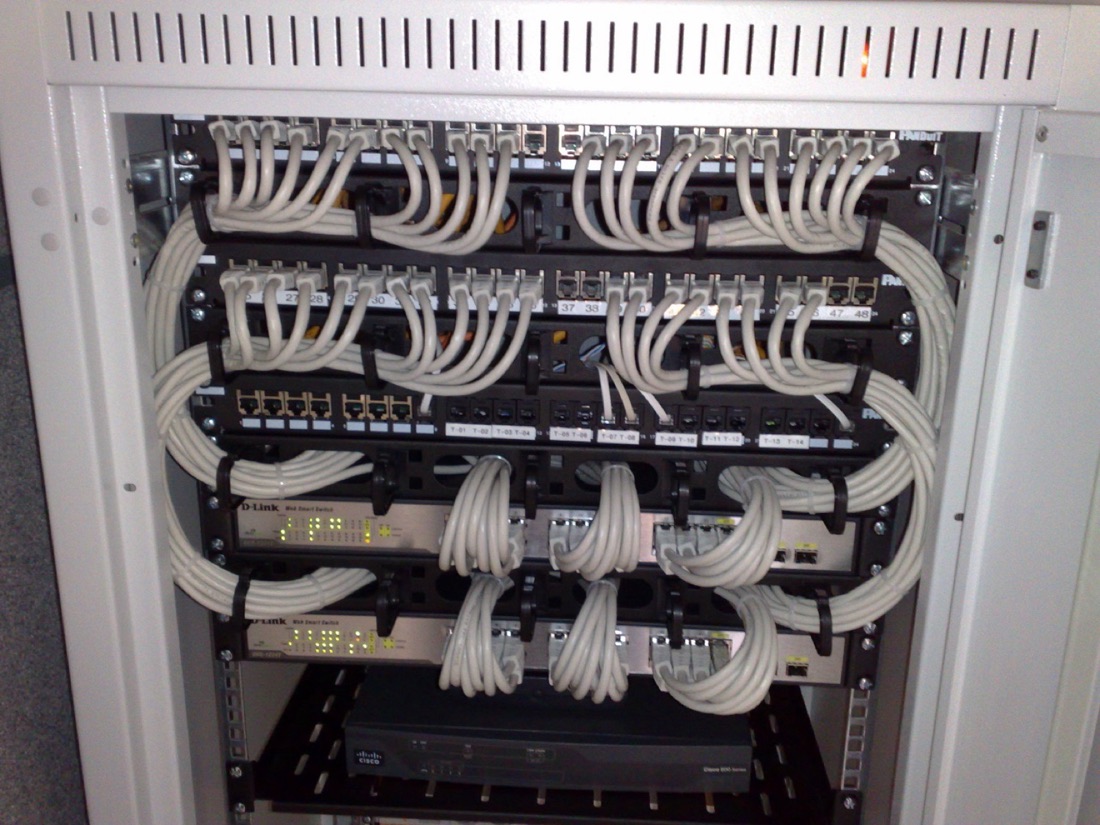
Your website needs a place to store its files and a way to deliver them to visitors. That is where a web server comes in: it holds all the files of your site and sends them to each visitor’s browser as pages. This service is called web hosting. So which type of hosting will work best for your site? It depends on the size, resources and complexity of the site, and on the support quality, security options and overall reliability you need.
Below are the most popular hosting options, so that you can work out which one suits you best.
Shared Website Hosting
With shared hosting, your site’s files sit on a server together with the files of many other sites. The provider sells space to many customers and gives each one a slice of the server. Shared hosting can be free or paid.
Free hosting
If you are new to publishing and just want some experience with a small blog or portfolio, free hosting is a reasonable place to start. Free plans usually do not let you use your own domain name by default, although blogging platforms such as Blogger and WordPress.com let you connect a custom domain. Once your site starts to grow, move to a paid plan: free hosting is limited in control, features, search visibility and branding.
Paid shared hosting
Paid shared hosting is the most common and cheapest paid option. It suits small websites best but works well for a large part of the web. The downside is that you share resources with other people, so your site can slow down when a neighbour on the same server gets a burst of traffic. Shared hosting is sometimes called virtual hosting.
Virtual Private Server (VPS) Hosting
A VPS still shares a physical machine, but each customer gets a guaranteed share of memory and processing power and their own operating system settings, so neighbours do not affect each other in the same way. It sits between shared and dedicated hosting in both price and control.
Dedicated Hosting
With dedicated hosting you rent an entire server, so you share nothing with anybody else. You get faster load times, more customisation, more space, and full control over security. There are two main types: managed dedicated hosting, which includes technical support and updates, and unmanaged dedicated hosting, where you look after the server yourself.
Cloud Hosting
Cloud hosting runs a website across several servers at once, so resources can be added when traffic rises and a single hardware failure does not take the site down. It suits larger business websites that cannot afford downtime.
A Quick Comparison
| Type | Best for | Main trade-off |
|---|---|---|
| Shared | Blogs, small business sites | Neighbours can slow you down |
| VPS | Growing sites, small shops | More to configure |
| Dedicated | Busy sites, custom software | Highest cost |
| Cloud | Sites with variable traffic | Pricing can be harder to predict |
Where Gambling Sites Fit
Gaming projects show the differences clearly. A casino review blog or a betting tips site is an ordinary content site and runs well on shared hosting with a CDN. A real-money casino or sportsbook sits at the other end of the scale: dedicated or cloud infrastructure, strong DDoS protection and servers in a jurisdiction its licence accepts. We cover that end in our guide to hosting for iGaming sites.
Choosing the right hosting can be a challenge when you are just starting out. There are many types of service and plenty of providers to choose from, but hosting is an important part of your overall plan, so it pays to pick the option that fits the site you are actually building.
Advertising Disclosure
Web Hosting Free Reviews is an independent guide to web hosting and website builders. Rankings are our editorial opinion; hosting plans, prices and features change often, so always confirm the current details with the provider before you sign up.